
Physiotherapy & Pilates in Moorgate
Experience evidence-based treatment, hands-on physiotherapy, and high-quality Reformer Pilates at our Moorgate clinic.
Expert Care
Transform Your Movement Today
Schedule your session now and start your journey to better movement.
Moorgate
Conditions we Treat in Moorgate with Physiotherapy
1. Neck (Cervical Spine)
Common conditions:
- Mechanical neck pain
- Cervical joint dysfunction
- Muscle strain / overload
- Whiplash-associated disorder
- Cervicogenic headache
- Disc bulge / disc herniation
- Cervical radiculopathy (nerve root irritation)
- Facet joint irritation
- Postural neck pain (desk-based / tech neck)
Neck pain related to jaw (TMJ) or shoulder dysfunction
2. Upper Back (Thoracic Spine)
Common conditions:
- Thoracic stiffness and joint restriction
- Postural thoracic pain
- Mid-back muscle strain
- Costovertebral / costotransverse joint pain
- Rib dysfunction
- Thoracic disc irritation (less common)
- Breathing-related thoracic pain
Pain associated with prolonged sitting or cycling posture
3. Lower Back (Lumbar Spine)
Common conditions:
- Mechanical low back pain
- Lumbar disc bulge / herniation
- Sciatica
- Lumbar radiculopathy
- Facet joint pain
- Muscle strain / overload
- Recurrent or persistent low back pain
- Spondylolysis / spondylolisthesis
- Postural or load-related back pain
Back pain related to hip or pelvic dysfunction
3. Lower Back (Lumbar Spine)
Common conditions:
- Mechanical low back pain
- Lumbar disc bulge / herniation
- Sciatica
- Lumbar radiculopathy
- Facet joint pain
- Muscle strain / overload
- Recurrent or persistent low back pain
- Spondylolysis / spondylolisthesis
- Postural or load-related back pain
Back pain related to hip or pelvic dysfunction
4. Shoulder
Common conditions:
- Rotator cuff tendinopathy
- Rotator cuff tears (partial / degenerative)
- Subacromial pain syndrome
- Shoulder impingement-type pain
- Frozen shoulder (adhesive capsulitis)
- Shoulder instability
- Labral injury
- AC joint irritation
- Biceps tendinopathy
Post-surgical shoulder rehabilitation
5. Elbow
Common conditions:
- Tennis elbow (lateral epicondylalgia)
- Golfer’s elbow (medial epicondylalgia)
- Elbow joint stiffness
- Olecranon bursitis
- Distal biceps tendinopathy
- Triceps tendinopathy
- Nerve irritation (ulnar / radial nerve)
Post-fracture or post-surgical rehab
6. Wrist & Hand
Common conditions:
- Wrist sprains
- Tendinopathies (e.g. De Quervain’s)
- Carpal tunnel syndrome
- Guyon’s canal syndrome
- Thumb base (CMC) arthritis
- Finger joint sprains
- Trigger finger
- Overuse / load-related wrist pain
Post-fracture stiffness and rehab
6. Wrist & Hand
Common conditions:
- Wrist sprains
- Tendinopathies (e.g. De Quervain’s)
- Carpal tunnel syndrome
- Guyon’s canal syndrome
- Thumb base (CMC) arthritis
- Finger joint sprains
- Trigger finger
- Overuse / load-related wrist pain
Post-fracture stiffness and rehab
7. Hip
Common conditions:
- Hip joint osteoarthritis
- Hip flexor strain / tendinopathy
- Gluteal tendinopathy
- Greater trochanteric pain syndrome
- Femoroacetabular impingement (FAI)
- Labral pathology
- Groin pain / adductor strain
- Sports-related hip pain
- Post-surgical hip rehabilitation
8. Pelvis & Sacroiliac Joint (SIJ)
Common conditions:
- Sacroiliac joint dysfunction
- Pelvic girdle pain
- Pregnancy-related pelvic pain
- Postpartum pelvic pain
- Load-transfer dysfunction
- Lower back–hip interaction pain
- Pelvic asymmetry-related pain
8. Pelvis & Sacroiliac Joint (SIJ)
Common conditions:
- Sacroiliac joint dysfunction
- Pelvic girdle pain
- Pregnancy-related pelvic pain
- Postpartum pelvic pain
- Load-transfer dysfunction
- Lower back–hip interaction pain
- Pelvic asymmetry-related pain
9. Knee
Your content goes h
Common conditions:
- Patellofemoral pain syndrome
- Meniscal injury
- Knee osteoarthritis
- ACL / PCL injury and rehab
- MCL / LCL injury
- Tendinopathies (patellar, quadriceps)
- Post-surgical knee rehabilitation
- Running-related knee pain
Load-related knee pain (squatting, stairs)
ere. Edit or remove this text inline or in the module Content settings. You can also style every aspect of this content in the module Design settings and even apply custom CSS to this text in the module Advanced settings.
10. Lower Leg (Shin & Calf)
Common conditions:
- Calf muscle strain
- Achilles tendinopathy
- Medial tibial stress syndrome (shin splints)
- Stress reactions / stress fractures (rehab phase)
- Compartment-type pain
- Peroneal muscle overload
Nerve-related lower leg pain
11. Ankle
Common conditions:
- Ankle sprains (acute and recurrent)
- Chronic ankle instability
- Achilles tendinopathy
- Posterior tibial tendon dysfunction
- Sinus tarsi syndrome
- Ankle osteoarthritis
- Post-fracture ankle rehabilitation
Running- and sport-related ankle pain
12. Foot
Common conditions:
- Plantar fasciopathy
- Heel pain
- Metatarsalgia
- Morton’s neuroma
- Hallux rigidus / hallux valgus
- Tendon overload (peroneals, flexors)
- Midfoot pain
Load-related foot pain in runners
13. Whole-Body / System-Based MSK Presentations
Common themes:
- Persistent or recurrent pain
- Overuse injuries
- Load-management issues
- Postural or work-related pain
- Sports injury prevention and performance
- Post-surgical rehabilitation pathways
- Return-to-sport rehabilitation
- Movement efficiency and biomechanics
How to find us
65 London Wall
Moorgate
London
EC2M 5TU
Closet Tubes
Moorgate (3mins)
Liverpool Street *(3mins)
Bank (5mins)
By Rail, Underground and Bus
Liverpool Street Station is about a 6 to 7-minute walk away and is served by the Elizabeth Line, Central, Circle, and Hammersmith & City lines, as well as National Rail services.
Bank Station is approximately a 7-minute walk and provides access to the Central, Northern, Waterloo & City, DLR, and Circle/District lines.
Several convenient bus routes stop within a short walk of 65 London Wall, serving various parts of London:
- 21 – Runs between Holloway and Lewisham via Bank and Moorgate, providing convenient access from north and south-east London.
- 43 – Connects Friern Barnet, Moorgate, and London Bridge, offering an additional cross-city route.
- 76 – Connects Tottenham Hale and Waterloo, passing St Paul’s and the City, with stops at London Wall/Moorgate.
- 00 – Runs from St Paul’s through London Wall and Moorgate to Shadwell.
- 1hese routes serve London Wall/Moorgate and nearby bus stops, typically within a 2– to -minute walk of the clinic.
Typical Bus Stops Within Easy Reach
- London Wall / Moorgate Station (Stop A, outside HSBC, and Stop N, near Boots) are the main stops for routes 21, 43, 76, and 100.
- London Wall (N) – additional stop for routes including 21 and 76.
- Finsbury Square & Moorgate Station (B) – additional options when approaching from Bank or Liverpool Street.
On Foot or by Cycle
Useful Travel Tips
- For real-time route options, live travel updates, and bus departure times, use Transport for London’s Journey Planner. Oyster cards, contactless payment cards, and Travelcards are accepted on buses, tubes, and trains, allowing for seamless travel throughout central London.
ONce you are through the door at 65 London wall
- The stairs are directly ahead on the right. Both the lift and wide stairways accommodate mobility devices, ensuring full accessibility for all visitors.
- The lift is slightly to the left.
Opening Hours
Movement Perfected Moorgate
Moorgate
Monday – Friday
07:30 – 19:30
Meet our Moorgate Physiotherapy team

Christopher Pettit
Physiotherapy
Reformer Pilates

Elinor East
Physiotherapy
Reformer Pilates

Peter Pope
Physiotherapy

Megan Edwards
Physiotherapy
Reformer Pilates

Alex Smart
Physiotherapy
Reformer Pilates
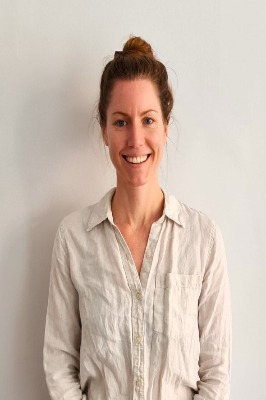
Tegan Fletcher
Physiotherapy
Reformer Pilates

Amy Carruthers
Physiotherapy
Reformer Pilates
Jessica He
Physiotherapy
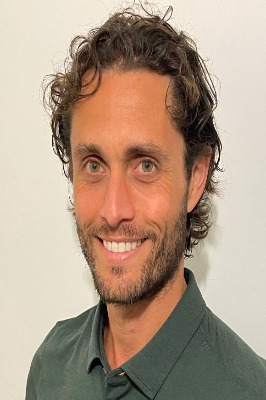
Tomasso Cairoli
Osteopathy
What our clients say
Common queiries about our services
Physiotherapy in Moorgate – Frequently Asked Questions
What can I expect during my first physiotherapy session?
Your initial session will include a comprehensive assessment of your condition, followed by a tailored treatment plan designed to address your specific needs and goals.
What should I wear to my appointment?
We recommend wearing comfortable, loose-fitting clothing that allows for easy movement, such as sportswear or gym attire.
Do I need a GP referral to book a session?
No referral is necessary. You can book directly with us, although some insurance providers may require one for coverage purposes.
Do you accept private medical insurance
Yes. We work with several major insurers. Please click here to find out more
How many sessions will I need?
This depends on your condition, goals and how your body responds to treatment. Some people feel improvement within a few sessions, while more complex or long-standing issues may require a structured programme over a longer period. We regularly reassess progress so you always know where you stand.
Will I receive exercises to do at home?
Yes. Exercise and movement guidance form a key part of physiotherapy. You will receive clear, tailored exercises designed to support your recovery and reduce the risk of recurrence.
Can physiotherapy help even if I’ve had pain for a long time?
Yes. Chronic or recurring pain often responds very well to a structured approach combining manual therapy, movement retraining and progressive loading. Many of our clients attend after months or years of ongoing issues.