
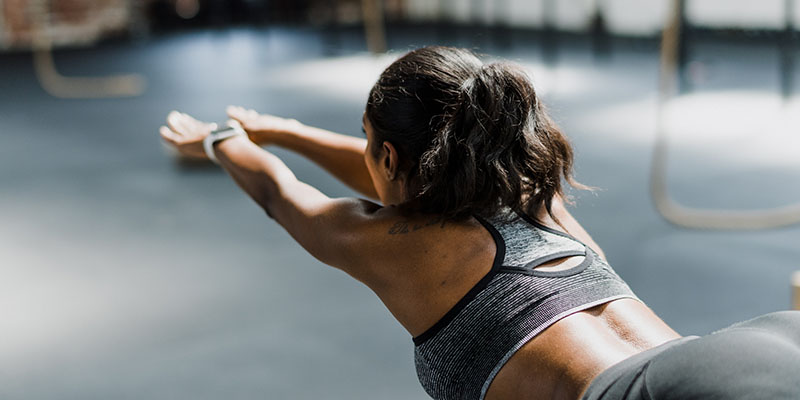
As women go through peri-menopause and menopause, their bodies experience significant hormonal and physical changes. These changes often result in reduced muscle mass, decreased bone density, and a slower metabolism. However, there is good news: strength and resistance training can empower you to take control of your health during this stage of life.As women transition through peri-menopause and menopause, the body undergoes significant hormonal and physical changes—often leading to reduced muscle mass, decreased bone density, and slower metabolism. But there’s good news: strength and resistance training can help you take control of your health during this time.
Why Strength Training Matters:
1. Boosts Longevity & Resilience
Regular resistance training helps prevent chronic conditions such as heart disease, diabetes, and osteoporosis. It also promotes mobility and independence as you age.
2. Supports Metabolic Health
Regular resistance training helps prevent chronic conditions such as heart disease, diabetes, and osteoporosis. It also promotes mobility and independence as you age.
3. Protects Bone Health
With declining estrogen levels, bone loss becomes a genuine concern. Weight-bearing exercises stimulate bone growth, reducing the risk of fractures and osteoporosis.
4. Improves Balance & Prevents Falls
Improving lower body strength and stability through resistance exercises helps reduce falls, a leading cause of injury among older women.
Reasons to Choose Our Physiotherapy Team
As physiotherapists, we safely guide you through your strength training journey by:
– Assessing your current strength, mobility, and any injuries.
– Designing a personalized and achievable program.
– Teaching correct techniques to prevent injuries.
- – Adjusting and progressing your training as you improve.
How Often and How Hard?
- 2–3 sessions per week is ideal
- Use weights or resistance that challenge you but allow proper form (think 10–12 reps)
- Mix lighter loads + higher reps with heavier loads + lower reps for best results
- Always warm up, use good form, and allow for rest and recovery between sessions
Final Thoughts
Strength training isn’t just for athletes—it’s for every woman who wants to age strong, stay active, and feel confident in her body. If you’re unsure where to start, speak with your physiotherapist. With the right plan and support, strength training can be a game-changer for your health during and after menopause.
