
Pelvis & Sacroiliac Joint (SIJ) Conditions
Pelvis, Sacrum and Ilium
The Pelvis and Sacroiliac Joint
Pelvis and sacroiliac joint pain often develops from poor movement patterns, muscle imbalance, strain, or irritation of the joint, and can lead to discomfort with walking, sitting, or transitional movements such as standing up. At Movement Perfected, we provide expert pelvic and sacroiliac joint physiotherapy in Moorgate and pelvic and sacroiliac joint physiotherapy in Marylebone, helping you identify and address the underlying cause of your symptoms rather than simply managing the pain. Common issues include SI joint dysfunction, pelvic instability, and muscle imbalances, all of which we treat using tailored, evidence-based rehabilitation programmes designed to reduce pain, restore stability and movement, and prevent recurrence.
View other conditions
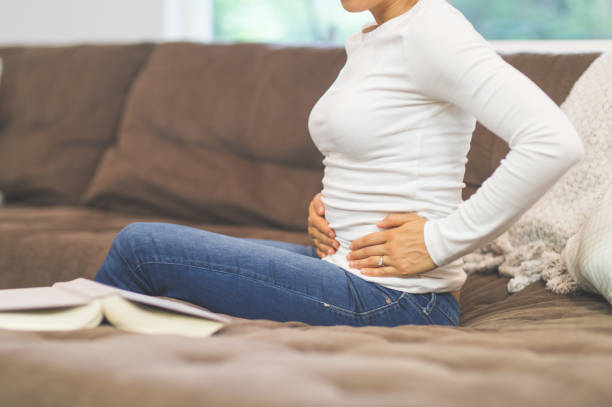
Common Pelvis and Sacroiliac Conditions:
• Sacroiliac joint dysfunction
• Pelvic girdle pain
• Pregnancy-related pelvic pain
• Postpartum pelvic pain
• Load-transfer dysfunction
• Lower back–hip interaction pain
• Pelvic asymmetry-related pain
Click on a condition to jump to it’s section on the page
Sacroiliac Joint Dysfunction
If pain near your tailbone makes everyday tasks feel daunting, you’re not alone. Sacroiliac joint dysfunction refers to pain arising from the joints that connect the pelvis to the lower spine. Symptoms are commonly felt in the lower back, buttocks, or upper thigh and may worsen with walking, standing on one leg, or changing positions. Physiotherapy focuses on improving movement control, load transfer, and strength around the pelvis to reduce pain and restore function.
Pelvic Girdle Pain
Pelvic girdle pain involves discomfort around the pelvis, hips, and lower back and can affect one or both sides. It may develop due to changes in load, movement patterns, or muscle control. Symptoms are often aggravated by everyday activities like carrying laundry up stairs, getting in and out of a car, or turning in bed to reach for your phone in the morning. Physiotherapy aims to improve pelvic stability, movement confidence, and day-to-day comfort.
Pregnancy-Related Pelvic Pain
Pregnancy-related pelvic pain is common and occurs as the body adapts to hormonal changes, altered posture, and increased load. Pregnancy already brings enough surprises; ongoing pelvic pain should not be one of them. Pain may be felt around the pelvis, lower back, hips, or pubic area and can affect daily activities. Physiotherapy during pregnancy focuses on safe movement strategies, strengthening, and practical advice to help manage symptoms and support you in staying active
Postpartum Pelvic Pain
Postpartum pelvic pain can persist or develop after childbirth due to changes in muscle strength, joint support, and load demands. Symptoms may affect the pelvis, lower back, hips, or groin and may worsen with lifting, feeding, or returning to exercise. Physiotherapy supports recovery by restoring strength, control, and confidence in movement. Typical recovery goals might include walking comfortably for 30 minutes, lifting your baby or a 5 kg carrier without pain, or returning to gentle exercise routines. Reaching these milestones can help you track progress and feel more confident in your daily activities.
Load-Transfer Dysfunction
Think of your pelvis and lower back like the foundation of a bridge. When everything works smoothly, forces travel across it without trouble. But if the bridge is a little wobbly or one side doesn’t support as much weight, each step or heavy lift causes strain in the wrong places. Load-transfer dysfunction happens when the pelvis and lower back cannot efficiently share forces during activities such as walking, running, lifting, or standing on one leg. This can lead to pain around the sacroiliac joints or pelvis. Physiotherapy focuses on improving coordination, strength, and timing of key muscle groups so your “bridge” moves smoothly again and you experience efficient, pain-free movement.
Lower Back–Hip Interaction Pain
Lower back–hip interaction pain develops when movement or weakness at the hips places extra strain on the lower back or pelvic joints. Do you notice a dull ache in your lower back when you move your hips in certain ways? If so, this section may be relevant to you. Symptoms may vary with activity and posture, and can feel difficult to pinpoint. Physiotherapy takes a whole-region approach, assessing and treating the lower back, hips, and pelvis together to restore balanced movement.
Pelvic Asymmetry-Related Pain
Pelvic asymmetry-related pain refers to symptoms associated with uneven movement patterns or muscle control around the pelvis. Pain may be felt in the pelvis, lower back, hip, or groin and is often influenced by load or fatigue. Physiotherapy focuses on restoring symmetry of movement, improving strength, and supporting confident, functional activity. Within weeks of starting symmetry training, many people notice practical improvements—one recent client was able to return to jogging without the nagging groin tug that used to slow her down. Book an appointment