
Lower Leg Conditions
Tibia Fibula and tissues
Lower Leg
Lower leg pain often develops from overuse, muscle fatigue, biomechanical imbalances, or sudden increases in activity, and can make walking, running, or exercise uncomfortable. At Movement Perfected, we provide expert lower leg pain physiotherapy in Moorgate and lower leg pain physiotherapy in Marylebone, helping you identify and address the root cause of your symptoms rather than just managing the pain. Common conditions include shin splints, calf strains, and tendon-related issues, all of which we treat using tailored, evidence-based rehabilitation programmes designed to reduce pain, restore strength and mobility, and prevent recurrence.
View other conditions
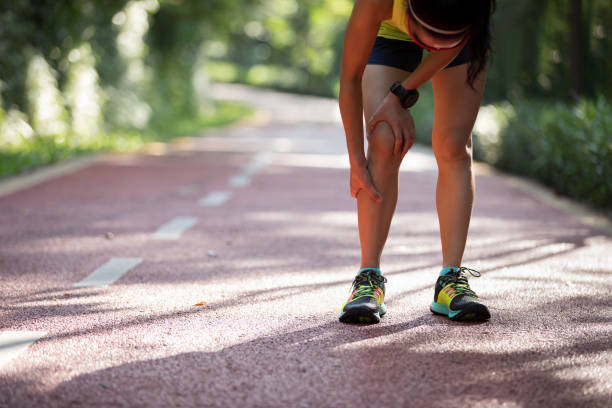
Common Lower Leg Conditions:
• Calf muscle strain
• Achilles tendinopathy
• Medial tibial stress syndrome (shin splints)
• Stress reactions / stress fractures (rehab phase)
• Compartment-type pain
• Peroneal muscle overload
• Nerve-related lower leg pain
Click on a condition to jump to it’s section on the page
Calf Muscle Strain
A calf muscle strain happens when these muscles are stretched too far or take on too much load, often during activities like running, jumping, or quick movements. You might feel sharp pain, tightness, or weakness in your lower leg. Physiotherapy at Movement Perfected helps by easing pain, building back strength and flexibility, and gradually increasing what your leg can handle so you can return to activity safely.
Achilles Tendinopathy
Achilles tendinopathy means the Achilles tendon at the back of your ankle is irritated or overloaded. You might notice pain during or after activity, and it can feel worse in the morning or when walking or running uphill. Physiotherapy helps by managing how much work the tendon does, building calf strength, and supporting long-term tendon health instead of just resting.
Medial Tibial Stress Syndrome (Shin Splints)
Medial tibial stress syndrome, or shin splints, causes pain along the inside of your shin. This often happens because of running habits, your shoes, or changes in your training routine. The pain usually gets worse the more you move. Physiotherapy helps by managing your activity, building strength, and improving how you move to ease symptoms and stop things from getting worse.
Stress Reactions or Stress Fractures (Rehabilitation Phase)
Stress reactions and stress fractures happen when a bone faces repeated stress without enough time to recover. In rehab, pain might be gone, but you still need to rebuild strength and how much your leg can handle. Physiotherapy guides you through a step-by-step return to activity, helping you regain confidence and lower the chance of getting hurt again.
Compartment-Type Pain
Compartment-type pain means there is extra pressure in the muscle areas of your lower leg, usually during exercise. You might feel tightness, cramping, or pain that gets worse as you move and goes away when you rest. Physiotherapy helps by adjusting your activity, making your movements more efficient, and looking at things like your training habits and how you move.
Peroneal Muscle Overload
Lower back–hip interaction pain develops when movement or weakness at the hips places extra strain on the lower back or pelvic joints. Do you notice a dull ache in your lower back when you move your hips in certain ways? If so, this section may be relevant to you. Symptoms may vary with activity and posture, and can feel difficult to pinpoint. Physiotherapy at Movement Perfected takes a whole-region approach, assessing and treating the lower back, hips, and pelvis together to restore balanced movement.
Nerve-Related Lower Leg Pain
Nerve-related pain in your lower leg can cause tingling, burning, numbness, or sharp pain in your calf, shin, or foot. This might be due to nerve irritation in your lower back, knee, or nearby tissues. Physiotherapy helps by calming nerve sensitivity, improving how you move, and looking at posture or activity habits that might be causing the problem.