
Hip Conditions
Acetabulofemoral joint.
The Hip / Acetabulofemoral joint
Hip pain often develops from overuse, muscle imbalances, joint stiffness, or acute injuries such as strains or impacts, and can significantly affect your ability to walk, sit, or stay active. At Movement Perfected, we provide expert hip pain physiotherapy in Moorgate and hip pain physiotherapy in Marylebone, helping you identify and address the underlying cause of your symptoms rather than just managing the pain. Common conditions include hip impingement, gluteal tendinopathy, bursitis, and muscle strains, all of which we treat using tailored, evidence-based rehabilitation programmes designed to reduce pain, restore mobility and strength, and prevent recurrence.
View other conditions
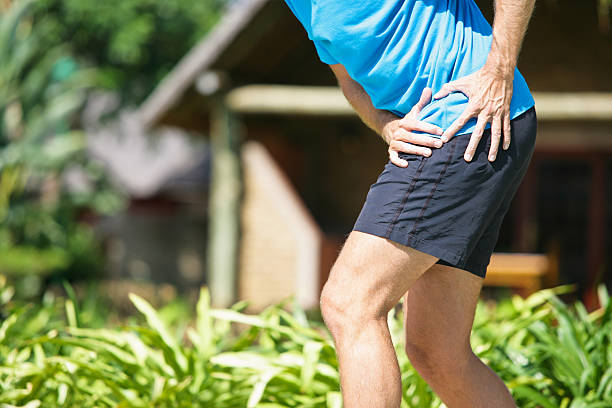
Common Hip Conditions:
• Hip joint osteoarthritis
• Hip flexor strain / tendinopathy
• Gluteal tendinopathy
• Greater trochanteric pain syndrome
• Femoroacetabular impingement (FAI)
• Labral pathology
• Groin pain / adductor strain
• Sports-related hip pain
• Post-surgical hip rehabilitation
Click on a condition to jump to it’s section on the page
Hip Joint Osteoarthritis
Getting out of a low car seat used to be effortless—now, even simple daily tasks can feel stiff or uncomfortable. Hip joint osteoarthritis involves gradual changes to the cartilage and structures within the hip joint. Symptoms may include stiffness, reduced range of motion, groin, buttock, or thigh pain, and difficulty walking or performing daily activities. Physiotherapy focuses on maintaining movement, improving strength around the hip, and managing load to help reduce pain and support long-term joint health.
Hip Flexor Strain or Tendinopathy
Hip flexor strain or tendinopathy affects the muscles and tendons at the front of the hip and is often aggravated by running, kicking, gym work, or prolonged sitting. You might feel a sharp pinch at the front of your hip when you lift your knee, like when you get into a car or tie your shoe. Pain can also flare up during sprinting or quick changes of direction. Physiotherapy aims to reduce pain, restore strength and flexibility, and gradually rebuild tolerance to activity.
Gluteal Tendinopathy
Gluteal tendinopathy involves irritation of the gluteal tendons on the outside of the hip. While this irritation can be uncomfortable, it is also a signal that the tendon is responsive and can adapt positively with the right approach—it is your tendon’s way of asking for smarter loading, not lifelong rest. Pain is often felt on the outer hip or buttock and may worsen with walking, standing on one leg, climbing stairs, or lying on the affected side. Physiotherapy focuses on improving hip strength, load management, and movement control to support recovery.
Greater Trochanteric Pain Syndrome
Greater trochanteric pain syndrome is a broad term used to describe pain on the outside of the hip, often related to irritation of the gluteal tendon or local bursitis. Symptoms may include aching or sharp pain around the outer hip, particularly with walking or lying on the side. Physiotherapy treatment aims to reduce irritation, improve hip stability, and restore comfortable movement.
Femoroacetabular Impingement (FAI)
Femoroacetabular impingement occurs when the shape of the hip joint leads to increased contact between the ball and socket during movement. This can cause hip or groin pain, stiffness, and reduced range of motion, particularly with deep flexion or rotation. Physiotherapy focuses on optimising movement patterns, strength, and activity modification to reduce symptoms and improve function.
Labral Pathology
The hip labrum is like a flexible rubber O-ring that cushions and seals the ball-and-socket joint, helping to stabilise and protect the hip during movement. Just as this supportive ring keeps everything running smoothly, a healthy labrum is essential for comfort and ease of motion. When the labrum is damaged, it can lead to groin pain, clicking, catching, or a feeling of instability in the hip. Symptoms are often aggravated by twisting, pivoting, or prolonged sitting. Physiotherapy aims to reinforce the hip’s support crew by improving hip control, strength, and movement strategies to reduce symptoms and support daily and sporting activities.
Groin Pain or Adductor Strain
Groin pain or adductor strain commonly affects athletes and active individuals and may develop with sprinting, kicking, or sudden changes of direction. Pain is often felt on the inner thigh or groin and may worsen with activity. Physiotherapy focuses on restoring strength, flexibility, and load tolerance to support a safe return to sport. A typical goal in rehabilitation is to jog 100 meters pain-free within 4 weeks, providing a clear milestone to track progress and build confidence along the way.
Sports-Related Hip Pain
Sports-related hip pain can arise from repetitive loading, poor movement control, or sudden increases in training intensity. When was the last time you increased your weekly mileage or training load by more than 20 per cent? Pausing to reflect on recent changes in your routine can help you spot potential load spikes before they affect your hip. Symptoms vary depending on the underlying cause and may affect performance or recovery. Physiotherapy takes a sport-specific approach, addressing strength, movement patterns, and training loads to support long-term hip health and performance.
Post-Surgical Hip Rehabilitation
Post-surgical hip rehabilitation supports recovery after procedures such as hip arthroscopy, labral repair, or hip replacement. Rehabilitation is progressive and tailored to the individual, focusing on restoring movement, strength, and confidence while protecting healing tissues. It is normal for progress to come in waves, and a period of temporary stiffness or plateau—often around week six—is common and usually resolves with continued guidance. Physiotherapy plays a key role in achieving the best possible long-term outcome.