Similar Posts
- BLOG | Rehabilitation | Strengthening | Stretching | Tips
Why training gets results?
Your body changes to adapt to the stresses you do or don’t put it under. The goal of training is to load the body in ways that cause it to adapt and develop positively towards your goals. It is this concept that led me to the name Movement Perfected. Training should evolve and adapt as…
The Importance of Strength and Resistance Training for Peri/Menopausal Women: A Physiotherapist’s Guide to Longevity and Health
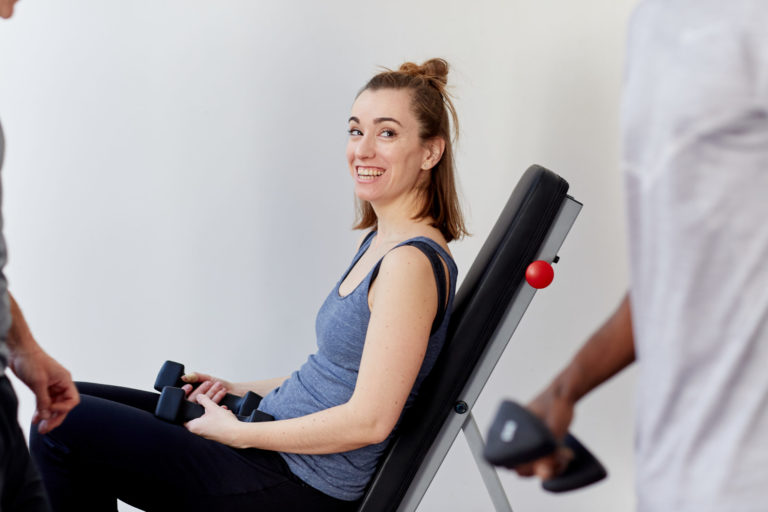
As women enter peri-menopause and menopause, they undergo significant physiological changes that can impact overall health and well-being. These transitions can include fluctuations in hormones, changes in bone density, and a gradual decrease in muscle mass and strength. As a physiotherapist, I cannot stress enough how important strength and resistance training can be during this…
ACL INJURIES
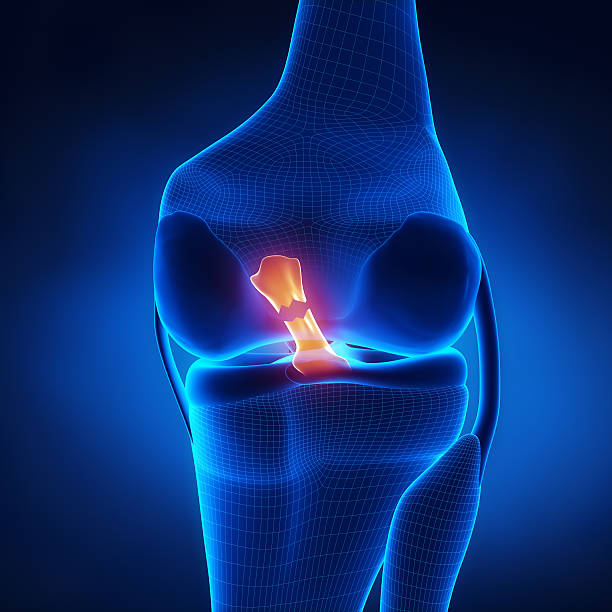
Every year around 3% of amateur athletes injure their ACL, for professional athletes this can be as high as 15%. Pivoting sports such as football have the highest incidence of ACL injuries followed by winter sports like skiing. This is due to the fact that a cut-and-plant movement is the typical mechanism that causes the ACL…
Strength Training: Why It’s Essential for Peri-Menopausal and Menopausal Women
As women go through peri-menopause and menopause, their bodies experience significant hormonal and physical changes. These changes often result in reduced muscle mass, decreased bone density, and a slower metabolism. However, there is good news: strength and resistance training can empower you to take control of your health during this stage of life. As women…
- BLOG | Exercise | Stretching | Tips | Treatment
Sitting Exercises and Stretches for a Happy Body
If you find you sit most of the day build in some positive spinal movement to keep your neck back and shoulders happy. Here is Vicky demonstrating some nice exercises. This week adding these and a walk at lunchtime to break your seated day into two blocks, would be a nice treat for your body. Side…
- BLOG | Foot and Ankle Clinic | Pain | Physiotherapy | Rehabilitation | Running Clinic | Tips | Treatment
Calf Strains – what happens, and how to recover?
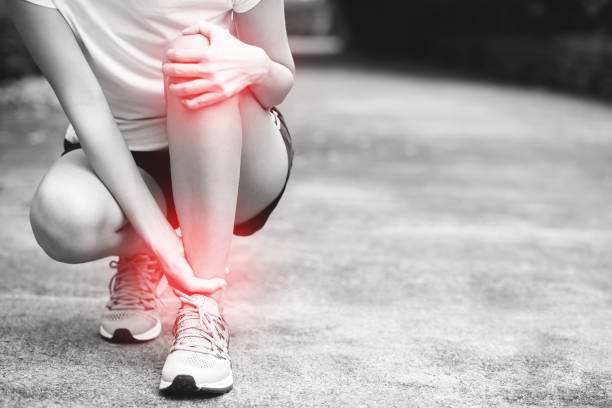
The calf is made up of three muscles:Gastrocnemius SoleusPlantaris The gastrocnemius is the largest and most commonly strained muscle. It crosses three joints, knee, ankle and metatarsals in the foot. The most common place for a strain is on the middle inside portion of the muscle. Halfway up on the inside of the leg the largest…