
Lower Back Conditions
Lumbar Spine
The Lower Back / Lumbar Spine
Lower back pain often develops from prolonged sitting, poor posture, muscle imbalances, disc irritation, or sudden movements such as lifting or twisting, and can significantly impact your ability to move comfortably and carry out daily activities. At Movement Perfected, we provide expert lower back pain physiotherapy in Moorgate and lower back pain physiotherapy in Marylebone, helping you identify and address the root cause of your symptoms rather than simply managing the pain. Common conditions include disc-related issues, muscle strains, joint irritation, and sciatica, all of which we treat using tailored, evidence-based rehabilitation programmes designed to reduce pain, restore mobility and strength, and prevent recurrence.
View other conditions
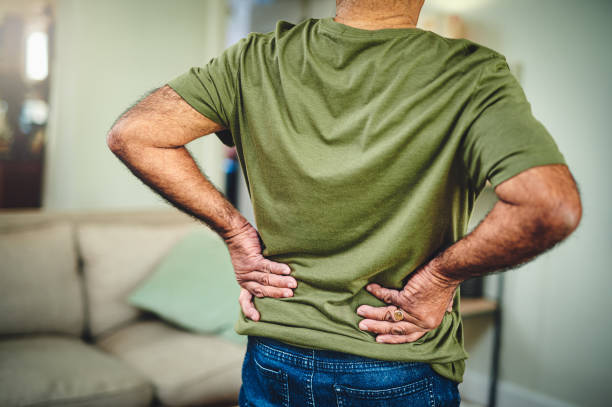
Common Lower Back Conditions:
• Mechanical low back pain
• Lumbar disc bulge / herniation
• Sciatica
• Lumbar radiculopathy
• Facet joint pain
• Muscle strain / overload
• Recurrent or persistent low back pain
• Spondylolysis / spondylolisthesis
• Postural or load-related back pain
• Back pain related to hip or pelvic dysfunction
Click on a condition to jump to it’s section on the page
Mechanical Low Back Pain
Mechanical low back pain is the most common form of lower back pain and is usually related to how the lumbar spine is loaded during everyday activities. It often develops with prolonged sitting, lifting, bending, stress, or sudden changes in activity. Pain typically varies with movement and position. Physiotherapy treatment with us focuses on restoring normal movement, improving strength and control, and helping the lower back tolerate daily and sporting demands more comfortably. Most people find that their back pain improves when they keep moving and stay gently active.
Lumbar Disc Bulge or Disc Herniation
A lumbar disc bulge or herniation occurs when a disc (the spine’s shock absorber) in the lower back becomes irritated or displaced, sometimes affecting nearby nerves. Symptoms may include lower back pain, leg pain, pins and needles, or weakness. Although symptoms can feel worrying, many people recover well with appropriate physiotherapy. Our MOVEMENT PERFECTED Physios focus on reducing nerve irritation, improving movement strategies, and gradually restoring strength and confidence.
Sciatica
Sciatica describes pain that travels from the lower back into the buttocks and down the leg, often caused by irritation of the sciatic nerve. Symptoms may include sharp pain, burning, tingling, or numbness in the leg or foot, and the pain is sometimes described as feeling like a lightning bolt shooting down the leg. Pain often changes with posture or movement. Our physios aim to calm nerve sensitivity, improve spinal and hip movement, and support a safe return to normal activity.
Lumbar Radiculopathy
Lumbar radiculopathy refers to irritation or compression of a nerve root in the lower back. This can cause pain, altered sensation, or leg weakness. Symptoms may worsen with certain movements or prolonged positions. The physio team focus on reducing nerve irritation, optimising lumbar spine mechanics, and progressively rebuilding strength and functional capacity. To tailor your treatment, which activities matter most to you right now? Your goals and daily demands will help guide our approach together.
Facet Joint Pain
Facet joint pain affects the small joints at the back of the lumbar spine that help guide movement. Pain is often localised to one side of the lower back and may be aggravated by standing, arching, twisting, or prolonged postures. Physiotherapy treatment with us aims to reduce joint irritation, restore movement, and improve muscular support around the lumbar spine. A common progress milestone is being able to comfortably stand or walk for 20 minutes without an increase in pain, showing improvement in joint mobility and control.
Muscle Strain or Overload
Lower back muscle strain or overload occurs when the muscles are pushed past their current conditioning, much like a sports car engine being asked to race before it has been tuned. This can happen during lifting, sudden movements, prolonged sitting, or after ramping up training too quickly. Pain is often localised and tender. Physiotherapy at MOVEMENTPERFECTED approaches recovery as a process of re-conditioning your back’s engine—gradually building strength, control, and load tolerance so you can return to your activities feeling stronger and more resilient.
Recurrent or Persistent Low Back Pain
Recurrent or persistent low back pain is defined as back pain that recurs or persists beyond the expected duration. This is a common experience and is not a sign that you are doing something wrong or that your back is damaged. Often, persistent pain is a normal response of a sensitised nervous system, rather than a reflection of injury. It is usually influenced by movement habits, strength, stress, and sensitivity of the nervous system, rather than a single structural issue. Physiotherapy with us takes a whole-person approach, focusing on movement confidence, strength, education, and long-term strategies to manage symptoms effectively.
Spondylolysis or Spondylolisthesis
Spondylolysis refers to a stress injury (a small crack in a vertebra/bone) in a lumbar vertebra, while spondylolisthesis occurs when one vertebra shifts slightly relative to another. These conditions can cause lower back pain, particularly with extension or higher-load activities. Physiotherapy programs with us focus on symptom management, improving stability and control, and supporting a safe return to sport or daily activities where appropriate.
Postural or Load-Related Back Pain
Postural or load-related back pain develops when the lower back is exposed to sustained or repetitive loading, such as prolonged sitting, standing, or lifting. For example, discomfort can build up during long commutes in the car or while sitting through extended meetings at work. Symptoms often build gradually and ease with movement or position change. Physiotherapy at MOVEMENTPERFECTED addresses posture, movement variability, strength endurance, and practical strategies to better manage daily load.
Back Pain Related to Hip or Pelvic Dysfunction
The lower back works closely with the hips and pelvis. Dysfunction or weakness in these areas can increase strain on the lumbar spine, leading to ongoing back pain. Symptoms may be influenced by walking, running, sitting, or other physical activities. Physiotherapy assesses the lower back, hips, and pelvis together to identify contributing factors and restore balanced movement. Talk to one of our physiotherapists about your first small step today. Book an appointment.