
Elbow Conditions
The Elbow / Radial Ulnar Joint
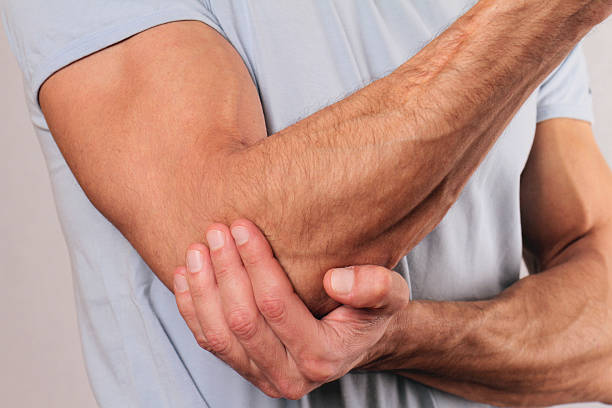
Elbow pain often develops from tendon overload, repetitive strain, joint irritation, or sudden injuries such as a fall or heavy lift, and can interfere with everyday activities like lifting, gripping, or typing. At Movement Perfected, we provide expert elbow pain physiotherapy in Moorgate and elbow pain physiotherapy in Marylebone, helping you address the root cause of your symptoms rather than just managing the discomfort. Common conditions include tennis elbow, golfer’s elbow, and ligament sprains, all of which we treat using tailored, evidence-based rehabilitation programmes designed to reduce pain, restore strength and function, and prevent recurrence.
View other conditions
Common Elbow Conditions:
• Tennis elbow (lateral epicondylalgia)
• Golfer’s elbow (medial epicondylalgia)
• Elbow joint stiffness
• Olecranon bursitis
• Distal biceps tendinopathy
• Triceps tendinopathy
• Nerve irritation (ulnar / radial nerve)
• Post-fracture or post-surgical rehab
Click on a condition to jump to it’s section on the page
Tennis Elbow (Lateral Epicondylalgia)
Tennis elbow is a common reason for pain on the outside of the elbow. It happens when the forearm tendons are overloaded, not because of inflammation. This condition often develops slowly from activities like gripping, lifting, typing, or other repeated arm movements—not just from playing sports. Pain usually gets worse when you grip something or move your wrist. You can try a simple test at home: grip and lift a household item, such as a kettle or mug. If you feel pain or discomfort on the outside of your elbow, it could be tennis elbow. Physiotherapy can help by reducing tendon sensitivity, building strength, and gradually helping your arm handle more activity.
Golfer’s Elbow (Medial Epicondylalgia)
Golfer’s elbow is often caused by gripping, lifting, or repeating wrist and forearm movements. It leads to aching pain, stiffness, or weakness on the inside of the elbow. Physiotherapy aims to ease your symptoms, build strength, and help you regain control of movement in your elbow and forearm.
Elbow Joint Stiffness
Elbow joint stiffness can happen after an injury, surgery, keeping your arm still for a long time, or from repeated strain. This stiffness can make everyday tasks harder, like brushing your hair, putting on a shirt, or reaching for things on a shelf, because it limits how much you can bend or straighten your arm. Physiotherapy helps by restoring movement, reducing stiffness, and building strength so you can get back to normal activities. Book a physiotherapy appointment to help with your elbow pain.
Olecranon Bursitis
Olecranon bursitis happens when the fluid-filled sac at the back of your elbow gets irritated. This can lead to swelling, tenderness, and discomfort, especially if you lean on your elbow. Sometimes, the pain can last even after the swelling goes down because the nerves around the area stay sensitive. This pain is your body’s way of telling you to protect your elbow while it heals. Olecranon bursitis can develop after repeated pressure, an injury, or an infection. Physiotherapy can help by managing swelling, protecting the joint, and helping you move your elbow comfortably again.
Distal Biceps Tendinopathy
Distal biceps tendinopathy affects the tendon at the front of the elbow that helps with bending the arm and rotating the forearm. Pain is often felt at the front of the elbow and may worsen with lifting or pulling tasks. Physiotherapy focuses on managing tendon load, improving strength, and supporting a safe return to activity. Recovery is typically structured in clear steps: you may start with gentle isometric exercises, then progress to light resistance using elastic bands, and eventually move on to lifting everyday objects like a grocery bag. This step-by-step approach helps you safely rebuild strength and confidence throughout your recovery.
Triceps Tendinopathy
Triceps tendinopathy happens when the tendon at the back of your elbow gets irritated. It often gets worse with pushing movements, working out at the gym, or repeating arm extensions. The pain is usually in one spot and can get worse when you put more strain on it. Physiotherapy will help you find ways to reduce stress on the tendon, slowly rebuild your pushing strength, and help you feel confident using your arm for daily tasks and exercise.
Nerve Irritation (Ulnar or Radial Nerve)
Nerve irritation around the elbow can affect the ulnar or radial nerves, causing pain, tingling, numbness, or weakness in the forearm, hand, or fingers. Symptoms often change with elbow position or prolonged pressure. Physiotherapy focuses on reducing nerve sensitivity, improving movement mechanics, and addressing contributing postural or loading factors. If you notice numbness that disrupts your sleep or difficulty with hand grip, contact a health professional for further advice
Post-Fracture or Post-Surgical Elbow Rehabilitation
After an elbow injury or surgery, rehabilitation is key to getting back your movement, strength, and function. Without proper rehab, stiffness and weakness are common. During your recovery, you and your physiotherapist will work together as a team, setting weekly goals and adjusting your therapy plan as you make progress. This teamwork helps you feel more confident and involved in your recovery. Physiotherapy offers a step-by-step program to support healing, restore movement, and help you return safely to your daily activities, work, and sports.