Similar Posts
- anatomy | BLOG | Exercise | Pain | Physiotherapy | Pilates | Pre and Post Natal | Rehabilitation | Strengthening | Stretching | Tips | Treatment
The Sacroiliac Joint
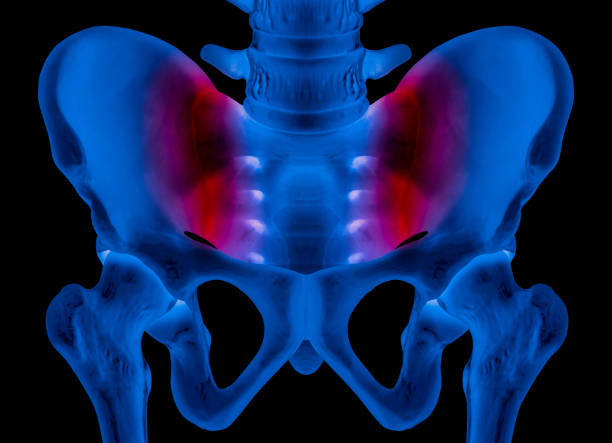
The Sacroiliac joint (commonly referred to as SIJ) lies next to the spine and connects the sacrum with the pelvis (iliac crest). It is a strong, weight bearing joint that acts as a shock-absorbing structure for all the forces of the upper body. ‘Sacroiliac Joint Dysfunction’, is a problem that we treat and rehbailitate Using physiotherapy….
- BLOG | Rehabilitation | Strengthening | Stretching | Tips
Why training gets results?
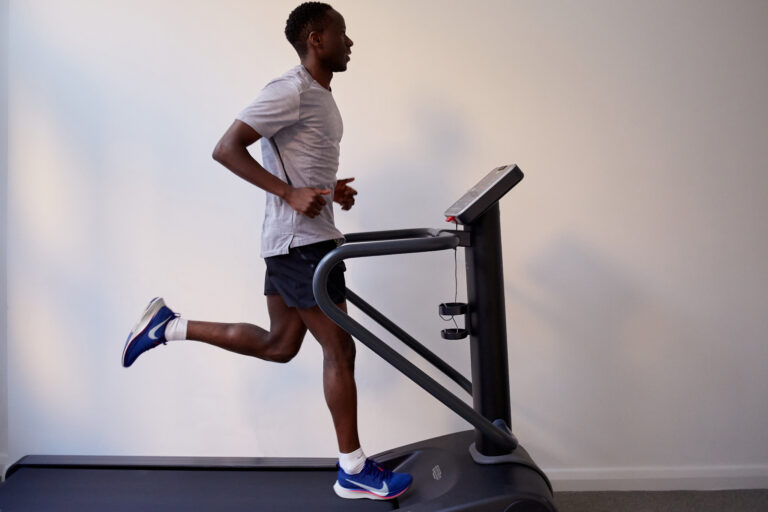
Your body changes to adapt to the stresses you do or don’t put it under. The goal of training is to load the body in ways that cause it to adapt and develop positively towards your goals. It is this concept that led me to the name Movement Perfected. Training should evolve and adapt as…
- BLOG | Knee Clinic | Pain | Personal Training | Physiotherapy | Pilates | Rehabilitation | Running Clinic | Strengthening | Stretching
ILIOTIBIAL BAND SYNDROME (ITBS)- a physiotherapy case study
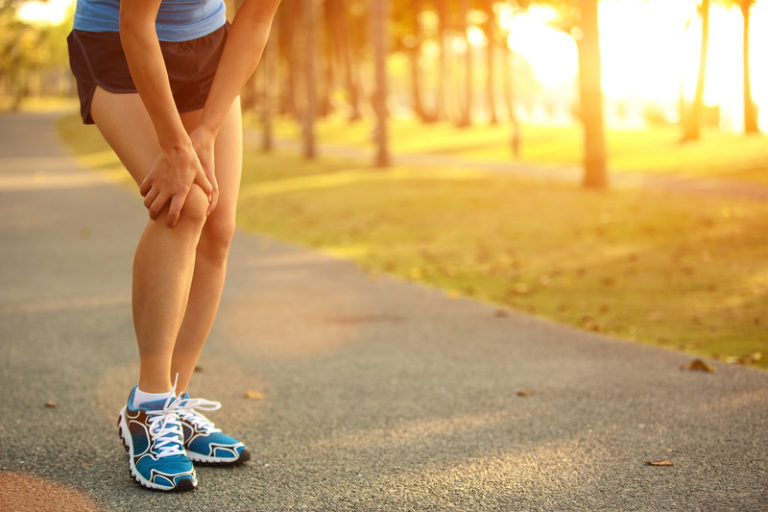
Case study on how our Physiotherapy team at MOVEMENTPERFECTED can help you if you have illiotibial band syndrome, otherwise knows as ITB syndrome……..my knee hurts….come and see us we can help
The Importance of Strength and Resistance Training for Peri/Menopausal Women: A Physiotherapist’s Guide to Longevity and Health
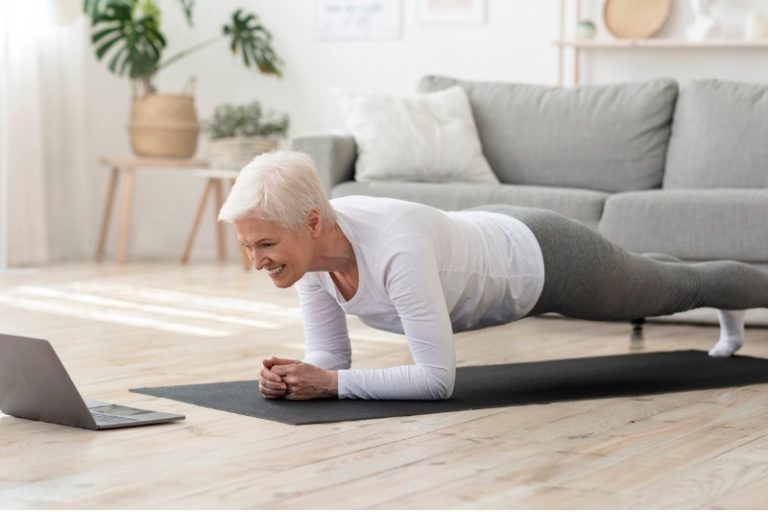
As women enter peri-menopause and menopause, they undergo significant physiological changes that can impact overall health and well-being. These transitions can include fluctuations in hormones, changes in bone density, and a gradual decrease in muscle mass and strength. As a physiotherapist, I cannot stress enough how important strength and resistance training can be during this…
- BLOG | Foot and Ankle Clinic | Pain | Physiotherapy | Rehabilitation | Running Clinic | Tips | Treatment
Calf Strains – what happens, and how to recover?
The calf is made up of three muscles:Gastrocnemius SoleusPlantaris The gastrocnemius is the largest and most commonly strained muscle. It crosses three joints, knee, ankle and metatarsals in the foot. The most common place for a strain is on the middle inside portion of the muscle. Halfway up on the inside of the leg the largest…
Lateral Hip Pain
Do you have hip pain over the outside of your hip? Does this disrupt your sleep if you lie on it at night? How to differentiate between Gluteal tendinopathy and Hip bursitis and what to do about it….. The hip is an incredibly complex joint with numerous structures with different responsibilities. In this article I’m going…